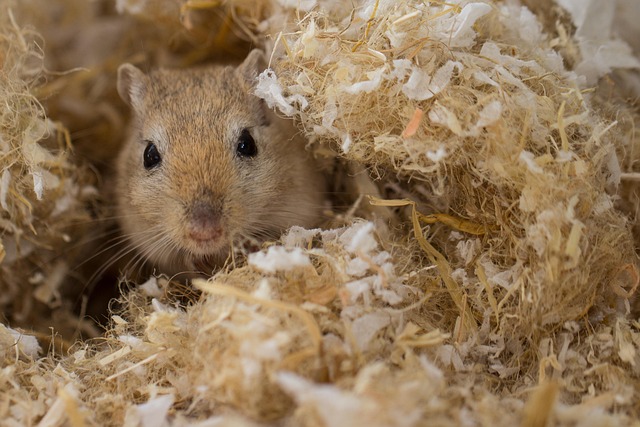
Denver Rodent Service addresses surge in attic rodent issues due to local favorable conditions. Infestations cause substantial property damage, health risks, and safety hazards requiring professional remediation. Early detection through regular inspections is crucial. Services include thorough inspection, safe removal, sealing entry points, decontamination, and long-term maintenance strategies to prevent future invasions. Key preventive measures involve sealing entry points, environmental modifications, and holistic solutions for sustained protection against rodents.
In the bustling landscape of modern homes, few issues carry as much weight—or cause as much distress—as rodent infestations. These unwelcome visitors can leave behind remnants of their presence, necessitating meticulous remediation, especially in hard-to-reach areas like attics. Denver Rodent Service steps into this challenge with expert solutions tailored to meet the unique demands of attic remediation. We understand the intricate nature of these problems and employ state-of-the-art techniques to ensure a comprehensive and lasting resolution, restoring your sanctuary to its pristine condition. This article delves into the intricacies of rodent control and offers valuable insights into effective remediation strategies.
- Understanding Rodent Infestations in Attics: Denver Rodent Service Guide
- Effective Attic Remediation Steps for a Safe Home
- Preventing Future Infestations: Long-Term Solutions from Denver Rodent Service
Understanding Rodent Infestations in Attics: Denver Rodent Service Guide

Rodent infestations in attics are a common yet insidious problem faced by many Denver residents. The city's mild winters and abundant food sources make it an attractive haven for rodents, leading to increased instances of attic invasions. Understanding these infestations is crucial for effective remediation. Rodents like squirrels, raccoons, and mice often gain access through small openings or ventilation systems, quickly establishing nests and reproducing in the quiet, secluded spaces of attics. Denver Rodent Service experts have noted a significant rise in calls related to attic rodent issues, underscoring the need for proactive measures and specialized services.
The impact of these infestations can be severe. Rodents cause extensive damage by gnawing on insulation, electrical wiring, and structural materials, posing potential safety hazards and leading to costly repairs. Moreover, their droppings and urine can contaminate living spaces, triggering health concerns. A study by the University of Colorado revealed that untreated rodent infestations can result in substantial property damage, averaging over $2,000 per case. Early detection is key; regular inspections by Denver Rodent Service professionals can identify potential entry points and signs of activity, enabling prompt action to prevent major crises.
Effective attic remediation requires a multi-step approach. First, trained technicians from Denver Rodent Service conduct thorough assessments to pinpoint the extent of the infestation and identify all access points. This involves using specialized equipment for safe and efficient removal of rodents and their nesting materials. Following this, they seal entry points, employing high-quality materials to prevent future invasions. Additionally, they decontaminate the affected area, removing any waste and odors to restore a healthy indoor environment. Regular maintenance and inspections are recommended to ensure long-term protection against attic rodent problems.
Effective Attic Remediation Steps for a Safe Home

Rodent control attic remediation is a critical process for maintaining a safe and healthy home environment, particularly in areas prone to pest infestations like Denver. When rodents like squirrels, raccoons, or mice find their way into attics, they can cause significant damage over time. The impact extends beyond structural harm; these intruders can also pose health risks by introducing bacteria, viruses, and parasites into your living space. A professional rodent service in Denver is essential to handle such situations effectively.
The first step in attic remediation involves a thorough inspection. Experts from Denver Rodent Service utilize advanced equipment to locate entry points, assess the extent of damage, and identify potential nesting areas. Once the problem is mapped out, a tailored plan is devised. This might include sealing entry holes with durable materials like steel wool or metal mesh, removing contaminated insulation, and setting up humane traps to capture and expel the rodents. As part of the process, it's crucial to disinfect the affected areas to kill any pathogens left behind.
After addressing the immediate issue, long-term solutions are implemented to prevent future infestations. This could entail installing weatherstripping around windows and doors, repairing or replacing damaged ventilation screens, and ensuring proper attic ventilation. Regular maintenance checks by Denver Rodent Service professionals can also help catch potential problems early on, minimizing the need for extensive remediation. By combining these measures, homeowners can create a robust defense against rodents and safeguard their investment in their property.
Preventing Future Infestations: Long-Term Solutions from Denver Rodent Service

Preventing future rodent infestations is paramount for homeowners looking to maintain a comfortable and safe living environment. Denver Rodent Service, renowned for its expert attic remediation services, offers long-term solutions that go beyond immediate removal. Their comprehensive approach involves several strategic steps tailored to address the specific needs of each property.
One key aspect is sealing entry points, a critical measure to prevent reinfestation. Technicians from Denver Rodent Service meticulously inspect the attic and exterior of the house, identifying common access points such as gaps around wires, pipes, and vents. They then use high-quality materials to seal these openings, blocking potential routes for rodents. For instance, they may employ steel wool or metal flashing to close off holes, ensuring no critter can reenter. Regular inspection and maintenance of these seals are recommended to prevent future issues.
Moreover, Denver Rodent Service educates clients on creating an environment that discourages rodents. This includes proper storage of food items in airtight containers, regular cleaning to eliminate debris that might attract them, and the removal of potential shelters like accumulations of leaves or branches near the attic access point. By combining these preventive measures with professional remediation services, Denver Rodent Service offers a holistic solution, significantly reducing the likelihood of future rodent infestations. This long-term strategy not only protects homes but also saves clients from the time and expense of repeated treatments.
By employing the expert guidance from Denver Rodent Service, homeowners can effectively address and prevent rodent infestations in attics. Understanding the unique challenges of these hidden invaders is key. The article has outlined a comprehensive strategy for remediation, emphasizing safe and thorough methods. Through structured steps and long-term solutions, residents can ensure their homes remain secure. By implementing these practices, as recommended by Denver Rodent Service, property owners can rest assured that their attics are remediated, future infestations are prevented, and the overall health of their living space is maintained.
Related Resources
1. National Pest Management Association (NPMA) (Industry Organization): [Offers comprehensive pest control guides and insights from industry experts.] - https://www.pestcontrol.org
2. Environmental Protection Agency (EPA) (Government Portal): [Provides regulations, guidelines, and research on safe and effective pest control methods.] - https://www.epa.gov/pest
3. University of California, Integrated Pest Management (IPM) Program (Academic Study): [Offers peer-reviewed scientific information for sustainable pest management practices.] - https://ipm.ucdavis.edu
4. HealthLine (Health Information Website): [Delivers easy-to-understand explanations of health and wellness topics, including rodent control measures.] - https://www.healthline.com/health/rodent-control
5. National Institute of Occupational Safety and Health (NIOSH) (Government Agency): [Focuses on preventing work-related injuries, including guidance on handling hazardous materials from rodents.] - https://www.cdc.gov/niosh
6. The Restoration Institute (Internal Guide): [Provides detailed remediation protocols for attics affected by rodent infestation, offering practical steps and best practices.] - https://www.therestorationinstitute.org/attic-remediation/
7. Harvard T.H. Chan School of Public Health (Academic Institution): [Contributes to public health through research, education, and advocacy, including studies on the health impacts of rodents.] - https://www.hsph.harvard.edu