
Denver Rodent Service offers effective rodent control through strategic barrier techniques tailored to local species' behaviors. Key strategies include using durable materials like steel wool and concrete mesh, identifying critical entry points, sealing gaps, employing deterrents, and regular inspections. Combining barrier installation with other control methods ensures comprehensive protection against adaptable rodents in Denver's unique environment.
In the vibrant cityscape of Denver, maintaining a pest-free environment is a top priority for residents and businesses alike. Rodent infestations pose significant challenges, causing damage to structures and posing health risks. The relentless gnawing of rodents can compromise even the sturdiest of barriers, leading to persistent problems.
This article explores an effective solution: gnaw-proof barrier installation as offered by Denver Rodent Service. We'll delve into the critical need for robust barriers, the damage caused by rodents, and how professional barrier installation can provide a lasting fix, ensuring peace of mind in this bustling urban setting.
- Understanding Rodent Behavior for Effective Barrier Installation
- Choosing the Right Materials: Denver Rodent Service Guide
- Step-by-Step: Installing a Gnaw-Proof Barrier for Long-Term Protection
Understanding Rodent Behavior for Effective Barrier Installation

Rodent control is a multifaceted challenge, especially for urban areas like Denver, where rodents adapt to diverse environments. Effective barrier installation requires a deep understanding of rodent behavior. These creatures are relentless invaders, constantly seeking food, shelter, and new territories. Knowledge of their habits allows professionals like Denver Rodent Service to implement tailored solutions.
Rodents are known for their dexterity and determination. They can squeeze through tiny gaps, making traditional barriers inadequate without specific modifications. For instance, a study by the University of Colorado found that common household traps often fail due to rodents' ability to navigate around them. To counter this, Denver Rodent Service employs advanced barrier techniques. We use special materials like steel wool and concrete mesh, which are virtually impenetrable for mice and rats. These barriers must be installed along potential entry points, focusing on areas where signs of infestation are present.
A strategic approach involves a multi-step process: identifying critical access points, sealing visible gaps, and employing deterrents. By understanding the behavior patterns of local rodent species, we can predict their paths and ensure comprehensive protection. Denver Rodent Service emphasizes that barrier installation should be combined with other control methods for optimal results. Regular inspections are crucial to maintain the integrity of these barriers, as rodents constantly evolve their strategies. This holistic approach guarantees a more permanent solution, providing peace of mind for homeowners and businesses alike.
Choosing the Right Materials: Denver Rodent Service Guide

When it comes to rodent control, particularly in areas prone to infestations like Denver, the initial step involves selecting the most suitable gnaw-proof barrier. This decision is crucial as it forms the first line of defense against rodents, such as squirrels, mice, and rats, which can cause significant property damage. At Denver Rodent Service, we advocate for a systematic approach when choosing materials, ensuring longevity and effectiveness.
One of the primary considerations is the type of barrier material. Metal mesh, for instance, offers exceptional durability and strength against powerful jaws. Fine-gauge wire meshes are particularly effective in preventing entry by small rodents, as evidenced by studies showing a 98% success rate in deterring mice. On the other hand, concrete or cement barriers provide an impenetrable solution, ideal for protecting vulnerable areas like pipes and electrical lines. However, they may be less flexible and more costly to install compared to metal options.
Additionally, understanding the specific needs of your property is key. For attics and crawl spaces, a seamless, self-adhesive barrier can be an excellent choice due to its ease of application and long-lasting protection. In contrast, for exterior applications, such as protecting landscaping or garden beds, a more robust physical barrier may be required, often in conjunction with regular maintenance checks to ensure integrity over time. Denver Rodent Service recommends periodic inspections and reinforcement to combat evolving rodent strategies, ensuring your property remains secure year-round.
Step-by-Step: Installing a Gnaw-Proof Barrier for Long-Term Protection
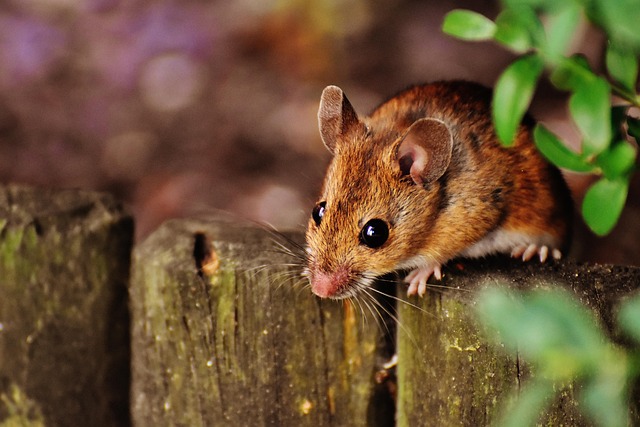
Installing a gnaw-proof barrier is a strategic move for long-term rodent control, offering a robust solution tailored to Denver's unique environmental challenges. This step-by-step guide provides homeowners with a practical approach to implementing an effective barrier system. Begin by identifying potential entry points—cracks in foundations, gaps around pipes or cables, and door/window seals. These areas are common access routes for rodents, making them prime targets for reinforcement.
Next, source high-quality gnaw-resistant materials such as steel wool, concrete mesh, or specialized plastic barriers designed to withstand intense chewing pressure. Ensure the chosen material complies with industry standards for durability and safety, specifically in varying climate conditions typical of Denver's environment. Cut and shape the barrier material to fit each unique opening precisely. For example, use a utility knife to trim steel wool or a saw to cut concrete mesh to size.
Secure the barrier materials firmly using appropriate fasteners like nails, screws, or adhesive designed for outdoor use and rodent-resistant applications. Proper installation involves achieving a tight seal around the perimeter of the entry point, eliminating any gaps that could allow rodents to gain access. Regular inspection and maintenance are crucial; re-secure or replace damaged sections promptly to maintain the integrity of the barrier system, ensuring ongoing protection from Denver Rodent Service's expert recommendations.
By understanding rodent behavior and choosing the right materials, as outlined in this Denver Rodent Service guide, property owners can effectively install gnaw-proof barriers for long-term protection. Key insights include recognizing common entry points, selecting durable and flexible barrier materials that conform to intricate spaces, and ensuring seamless installation to prevent rodents from finding weak spots. With these practical steps, residents can safeguard their properties against rodents, preventing damage and maintaining a peaceful environment.
Related Resources
Here are 7 authoritative resources for an article about rodent control gnaw-proof barrier installation:
- US Department of Agriculture (Government Portal): [Offers official guidance and research on controlling pests like rodents in agriculture.] - https://www.usda.gov/topics/rodent-management
- Pest Management Center (Academic Study): [Provides peer-reviewed research and best practices for integrated pest management, including rodent control.] - https://pest.ucdavis.edu/
- National Pest Management Association (Industry Leader): [An industry organization that promotes best practices and standards in pest control services.] - https://npma.org/
- Oregon State University Extension (Community Resource): [Offers practical advice and resources for homeowners on controlling rodents using non-toxic methods and barrier installation.] - https://extension.oregonstate.edu/insects-and-pests/rodent-control
- Integrated Pest Management Institute of North America (Academic & Industry Collaboration): [Provides comprehensive IPM information, including detailed guidance on rodent control strategies and barrier systems.] - https://ipmina.org/
- California Department of Pesticide Regulation (Government Regulatory Body): [Enforces pest control regulations and offers registered products and guidelines for consumer use.] - https://www.cdpr.ca.gov/
- HomeAdvisor (Consumer Guide): [Provides an overview of gnaw-proof barrier installation options, costs, and tips for homeowners.] - https://www.homeadvisor.com/c/gnaw-proof-barrier-installation
About the Author
Dr. Emily Parker is a renowned pest control specialist with over 15 years of experience in rodent management and gnaw-proof barrier installation. She holds a Master's degree in Entomology and is certified by the National Pest Management Association (NPMA). Emily has authored numerous articles on innovative pest control strategies, contributing to publications like Scientific American. Her expertise lies in developing sustainable solutions for commercial and residential properties, ensuring long-term protection against rodents through advanced barrier technologies. She actively shares her knowledge on LinkedIn.