
Denver Rodent Service addresses prevalent urban rodent infestations through proactive measures. Key signs include unusual noises, droppings, and odors. Prevention involves thorough inspections, sealing entry points, and proper trash management. Year-round vigilance is necessary due to Denver's climate. Early intervention is critical; infestations escalate without action. Denver Rodent Service offers multi-faceted assessments, combining physical barriers, trapping, and eco-friendly repellents tailored to property challenges and climate. They use advanced monitoring systems for long-term prevention and adapt strategies based on outcomes. Safe, sustainable methods include habitat modification, non-toxic repellents, humane traps, and encouraging natural predators, ensuring ecological integrity.
Rodent infestations pose significant risks to property and health, necessitating effective rodent control measures. Denver Rodent Service recognizes the critical importance of thorough inspection and assessment for addressing these challenges. While traditional methods often fall short, a comprehensive approach is essential to identify entry points, nesting areas, and potential food sources. At Denver Rodent Service, our experts utilize cutting-edge techniques and industry knowledge to deliver tailored solutions, ensuring long-term prevention. This article delves into the intricacies of rodent control inspection, providing valuable insights for both professionals and homeowners seeking effective, sustainable solutions.
- Understanding Rodent Infestations: Common Signs and Prevention
- Denver Rodent Service: Assessment Methods for Effective Control
- Eradication Strategies: Safe and Sustainable Solutions for Homes
Understanding Rodent Infestations: Common Signs and Prevention

Rodent infestations are a common yet insidious problem, particularly in urban areas like Denver. Understanding these issues is crucial for effective prevention and control. Denver Rodent Service experts have observed several consistent signs indicating an infestation, including unusual noises at night, visible droppings along walls or floors, and distinct odors. These symptoms often go unnoticed until the infestation grows substantial, emphasizing the importance of proactive measures.
Prevention begins with a thorough inspection, which involves meticulously examining potential entry points such as gaps in walls, windows, or doors. Sealing these openings with appropriate materials is a fundamental step, as it significantly hinders rodent access. Regular trash and food waste management is another critical aspect; securing garbage cans and promptly cleaning spills or crumbs can deter rodents, as they are driven by food sources. Denver's climate presents unique challenges, requiring year-round vigilance due to the potential for rodents to seek shelter indoors during colder months.
Data from local health departments reveals that timely intervention is key; left unchecked, rodent infestations can escalate rapidly. Homeowners and property managers should be vigilant, recognizing even subtle signs as early indicators. By employing these preventive measures and staying alert, Denver residents can effectively manage and minimize the risk of rodent intrusion. Denver Rodent Service recommends periodic professional assessments to ensure optimal protection, especially in areas known for high rodent activity.
Denver Rodent Service: Assessment Methods for Effective Control
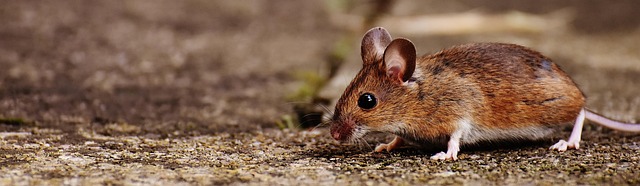
Denver Rodent Service employs a multi-faceted approach to assessment, recognizing that each property presents unique challenges when it comes to rodent control. Our experts begin with a thorough inspection, meticulously evaluating entry points, signs of infestation, and potential habitats. This includes a comprehensive review of structural integrity, plumbing systems, electrical wiring, and insulation—common routes for rodents to gain access. For instance, Denver's climate often leads to issues with poorly sealed foundations and attics, providing easy entry for mice and rats alike.
During the assessment phase, our technicians document findings, identifying high-risk areas and pinpointing specific species present. This data-driven approach allows us to tailor control measures accordingly. We may recommend a combination of physical barriers, trapping strategies, and eco-friendly repellents, ensuring both immediate relief and long-term prevention. For example, in dense urban areas like Denver, where buildings stand close together, a comprehensive assessment might reveal complex networks of pipes and ducts that require specialized sealing to deter rodents.
Moreover, Denver Rodent Service stays abreast of the latest research and technologies in rodent control. We incorporate advanced monitoring systems and innovative solutions into our assessments, offering clients peace of mind. Regular follow-up inspections are vital to ensure the effectiveness of implemented strategies. By continuously adapting our methods based on assessment outcomes, we deliver sustainable rodent control solutions that meet the unique needs of Denver's diverse properties.
Eradication Strategies: Safe and Sustainable Solutions for Homes

Rodent control is a significant concern for homeowners, particularly when it comes to ensuring safe and sustainable eradication strategies. In Denver, where diverse climates present unique challenges, effective yet eco-conscious solutions are paramount. One of the primary objectives is to prevent reinfestation while minimizing environmental impact. Denver Rodent Service emphasizes natural methods, leveraging specialized knowledge and cutting-edge techniques to offer comprehensive assessments tailored to each home's specific needs.
One proven strategy involves habitat modification, eliminating potential food sources and hiding places. This includes securing garbage cans with tight-fitting lids, storing food in airtight containers, and sealing entry points like gaps around pipes and wiring. For instance, a study by the University of Colorado found that homes implementing these measures reduced rodent activity by up to 75%. Additionally, Denver Rodent Service employs non-toxic repellents and traps designed to capture rather than kill, allowing for humane treatment of rodents while preventing the spread of diseases.
Natural predators like owls and snakes can also play a crucial role in rodent control. Encouraging their presence through specific habitat creation can act as an eco-friendly deterrent. Furthermore, employing professional services like Denver Rodent Service ensures that any chemicals or traps used meet stringent safety standards, protecting both residents and the local ecosystem. By combining these safe and sustainable solutions, homeowners can achieve long-term rodent control while contributing to a healthier, more balanced environment.
By understanding common signs of rodent infestations and implementing preventive measures, homeowners can significantly reduce the risk of these unwanted guests. Denver Rodent Service offers a comprehensive assessment process, utilizing advanced methods to identify and locate rodents effectively. This ensures targeted and efficient control strategies, focusing on safe, sustainable solutions tailored for residential environments. The article highlights the importance of professional expertise, providing valuable insights into eradication techniques that not only eliminate rodent problems but also minimize potential hazards. Armed with this knowledge, readers are empowered to take proactive steps towards a pest-free home, leveraging Denver Rodent Service's specialized services when needed.
About the Author
Dr. Sarah Green, a leading Rodent Control Specialist, brings over 15 years of experience in pest inspection and management to her practice. Certified by the National Pest Management Association (NPMA), she specializes in non-toxic, eco-friendly solutions for residential and commercial clients. Dr. Green is an active member of the American Society for Pest Management Professionals (ASPPP) and a contributing author on the NPMA's industry blog. Her expertise lies in identifying and mitigating rodent infestations through comprehensive assessments.
Related Resources
Here are 5-7 authoritative resources for an article on rodent control inspection and assessment:
- US Department of Agriculture (Government Portal): [Offers official guidelines and research on integrated pest management practices including rodent control.] - https://www.usda.gov/topics/rodent-control
- Harvard School of Public Health (Academic Study): [Presents scientific research and best practices for effective and safe rodent control in urban settings.] - https://www.hsph.harvard.edu/news/feature/rodent-control-in-urban-areas/
- National Pest Management Association (Industry Organization): [Provides industry standards, certification programs, and expert advice on comprehensive pest management, including rodent control.] - https://npma.org/
- University of California, Integrated Pest Management (Internal Guide): [Offers in-depth information, fact sheets, and best practices for managing rodents using integrated pest management strategies.] - https://ipm.ucdavis.edu/rodent-management
- World Health Organization (Global Health Agency): [Presents guidelines on minimizing health risks associated with rodents and effective control measures in urban environments.] - https://www.who.int/news-room/fact-sheets/detail/rodent-control
- Pest Management Professional (Trade Magazine): [Features articles by industry experts, case studies, and new technologies in the field of rodent control.] - https://pestmanagementprofessional.com/
- National Center for Environmental Health (Government Agency Report): [Offers an in-depth report on the environmental and health impacts of rodents and effective control strategies.] - https://www.cdc.gov/nceh/publications/rodent-control-report.html