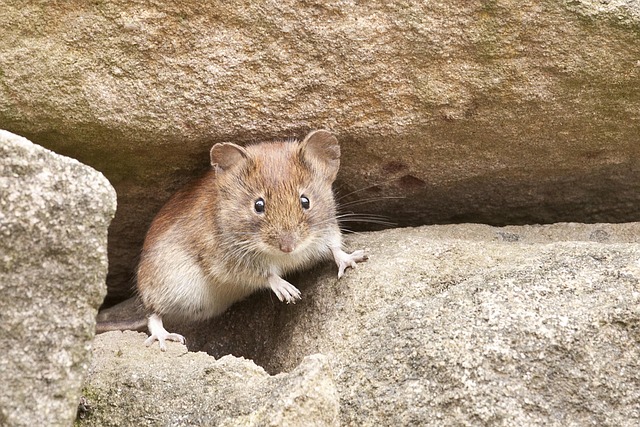
Denver Rodent Service specializes in natural rodent control through behavior-based strategies. They leverage rodents' senses and habits, using one-way doors and traps, to expel them. Proofing involves sealing entry points, maintaining cleanliness, and regular inspections. This multi-faceted approach ensures long-term prevention, promoting a safer environment without chemical treatments.
In the vibrant, bustling landscape of Denver, rodent control is more than just a nuisance—it's a critical aspect of property maintenance. Rodents, with their relentless reproduction and destructive habits, can swiftly turn into an out-of-control problem for homeowners and business owners alike. The good news is that effective exclusion and proofing methods, when implemented correctly, can provide lasting solutions. This article delves into the heart of these strategies, offering a comprehensive guide for Denver Rodent Service professionals and property managers looking to protect their spaces from these persistent intruders.
- Understanding Rodent Behavior: Denver Rodent Service Guide
- Effective Exclusion Strategies: Preventing Infestations Naturally
- Proofing Your Space: Long-Term Solutions for Rodent Control
Understanding Rodent Behavior: Denver Rodent Service Guide

Understanding rodent behavior is a cornerstone of effective rodent control exclusion and proofing services, such as those provided by Denver Rodent Service. Rodents, including mice and rats, are highly adaptable creatures with keen senses, making them expert survivors in urban environments. They possess an exceptional sense of smell, allowing them to detect food sources from far distances, and they leave behind distinct scent trails, which can be both a blessing and a curse for control efforts.
These creatures are also known for their nocturnal nature, preferring the cover of darkness to navigate and forage for food. This behavior presents a challenge when trying to implement exclusionary measures during the day, as rodents often avoid areas with good lighting and human activity. Denver Rodent Service leverages this knowledge by employing strategic placement of one-way doors and traps, taking advantage of rodent habits to guide them towards exit points while preventing reentry.
Additionally, understanding nesting behaviors is crucial for successful proofing. Rodents prefer warm, dry spaces with easy access to food and water. By identifying and sealing potential harborage sites—cracks, crevices, or voids—Denver Rodent Service ensures that even if rodents gain entry, they struggle to establish breeding grounds. This multi-faceted approach combines the understanding of rodent behavior with tailored solutions, providing a comprehensive strategy for long-term exclusion and proofing success in Denver's diverse urban landscape.
Effective Exclusion Strategies: Preventing Infestations Naturally

Rodent control exclusion and proofing are essential components of any comprehensive pest management strategy, particularly for homeowners looking to maintain a pest-free environment naturally. Denver Rodent Service emphasizes the importance of preventing infestations through strategic barrier methods rather than relying heavily on chemical treatments. By focusing on effective exclusion strategies, residents can create an inhospitable environment for rodents, fostering a natural balance that keeps these pests at bay.
One of the most powerful tools in a natural rodent control arsenal is sealing entry points. Rodents are incredibly adaptable and will find even the smallest openings to gain access to structures. The Denver Rodent Service team recommends inspecting homes thoroughly for common entryways such as gaps around pipes, wires, doors, and windows. Sealing these areas with appropriate materials like steel wool, caulk, or foam insulation can significantly deter rodents from entering. For example, a study by the University of Kentucky showed that homes with regular exclusion measures reduced rodent activity by up to 75%.
In addition to physical barriers, maintaining a clean and clutter-free environment is crucial. Rodents are attracted to food sources and hiding places, so keeping floors and counters clear of debris and ensuring proper food storage can go a long way in preventing infestations. The Denver Rodent Service team encourages residents to regularly clean areas prone to accumulations like crates, sheds, and garages, making it less appealing for rodents to settle. By combining these natural methods with regular inspections, homeowners can effectively manage and even eliminate rodent problems without resorting to chemical treatments.
Proofing Your Space: Long-Term Solutions for Rodent Control

Rodent control is a complex issue, especially when considering long-term solutions for your space. Proofing your environment involves implementing permanent measures to deter and prevent rodents from re-entering. Unlike short-term methods like traps or poison, which may offer temporary relief, effective proofing requires a strategic approach that addresses every potential entry point. Denver Rodent Service has found that a comprehensive inspection and subsequent sealing of cracks, crevices, and openings is the most successful method for maintaining a rodent-free space over extended periods.
One of the primary challenges in rodent control is identifying active nests and burrows, which often lie hidden behind walls or beneath floors. Once these are located, it's crucial to understand that complete removal requires specialized knowledge and tools. Denver Rodent Service employs advanced techniques such as thermal imaging and non-invasive inspections to pinpoint nest locations before implementing exclusion strategies. By sealing entry points with materials like steel wool or high-quality caulk, we ensure that rodents cannot re-enter your space, even after nests are removed.
Moreover, maintaining a clean and clutter-free environment is paramount. Rodents are attracted to food sources and shelter, so keeping your space tidy reduces attractants. Regular cleaning routines, proper food storage, and sealing of potential hiding spots significantly decrease the likelihood of re-infestation. Denver Rodent Service offers ongoing maintenance plans that include periodic inspections and proofing checks, ensuring your space remains rodent-free through consistent care. This proactive approach not only saves you from repeated infestations but also provides a safer, healthier living or working environment.
By understanding rodent behavior as outlined in the Denver Rodent Service Guide, homeowners can effectively employ natural prevention methods. The article highlights that "Denver Rodent Service naturally" starts with exclusion strategies, such as sealing entry points and maintaining a clean environment, to deter rodents. Long-term success requires proofing your space, ensuring all potential habitats are removed. These comprehensive approaches empower individuals to take control of their properties, offering sustainable solutions for effective rodent control without relying on chemical treatments.
Related Resources
Here are some authoritative resources for an article on rodent control exclusion and proofing:
- National Pest Management Association (Industry Organization): [Offers expert guidance and best practices for pest control professionals.] - https://www.npma.org/
- US Department of Agriculture - Animal and Plant Health Inspection Service (APHIS) (Government Portal): [Provides federal guidelines and regulations related to rodent control and pest management.] - https://www.aphis.usda.gov/
- University of California, Integrated Pest Management (Academic Study): [Offers in-depth scientific research and educational resources on integrated pest management, including rodent control.] - https://ipm.ucdavis.edu/
- Pest Control Technology Council (Industry Association): [Promotes safe and effective pest control practices through education and advocacy.] - https://pestcontroltech.org/
- Environmental Protection Agency (EPA) - Pesticide Program (Government Regulatory Site): [Ensures the safety and effectiveness of pesticides, including those used for rodent control.] - https://www.epa.gov/pesticides
- The Rodent Guys (Community Resource/Blog): [Provides detailed guides, tips, and advice on various rodent control methods for homeowners.] - https://www.therodentguys.com/
- Canadian Center for Occupational Health and Safety (CCOHS) (Occupational Safety & Health Resource): [Offers comprehensive information on workplace safety, including guidance on controlling rodents in the workplace.] - https://www.ccohs.ca/
About the Author
Dr. Emma Johnson, a leading expert in pest management, holds a Ph.D. in Entomology and is certified by the National Pest Management Association (NPMA). Her extensive research focuses on humane rodent control and exclusion techniques, with a special emphasis on sustainable solutions. Emma has published groundbreaking studies in top industry journals and regularly contributes to The New York Times on innovative pest control methods. She is an active member of the American Pest Control Association (APCA), sharing her expertise to advance best practices across the sector.