
Denver Rodent Service emphasizes understanding rodent behavior for effective gnaw-proof barrier installation. Key considerations include placing barriers along walls, floors, and ceilings, using fine-holed mesh, sealing gaps with steel wool, and ensuring seamless connections. Regular inspections post-installation and ongoing monitoring are vital to detect and address new activity. Recommended materials like metal mesh, concrete, or polymeric barriers withstand gnawing and seal entry points down to 1/4 inch. Professional inspection every 6 months or more frequently in high-activity areas ensures optimal protection.
In the bustling landscape of Denver, rodent control is a year-round concern for homeowners and businesses alike. The relentless gnawing of rodents can cause significant damage to structures, insulation, and even electrical systems, posing not only financial burdens but also safety risks. Traditional methods often fall short in addressing this persistent problem. However, a robust solution lies in the installation of gnaw-proof barriers – an innovative approach championed by Denver Rodent Service. This article delves into the science behind these barriers, their effectiveness, and how they offer a lasting line of defense against rodents, ensuring peace of mind for Denver residents.
- Understanding Rodent Behavior for Effective Barrier Installation
- Choosing the Right Materials: Denver Rodent Service Recommendations
- Step-by-Step Guide to Creating a Gnaw-Proof Barrier
Understanding Rodent Behavior for Effective Barrier Installation

Rodent behavior plays a pivotal role in the effectiveness of gnaw-proof barrier installation, a critical aspect of rodent control services offered by Denver Rodent Service. Understanding how rodents operate is essential for professionals to design and implement barriers that truly make spaces inviable for these pests. Common rodents like mice and rats exhibit specific behaviors that inform their choice of entry points and food sources. For instance, they prefer hidden, narrow openings, being excellent climbers and jumpers. This knowledge guides the strategic placement of gnaw-proof materials along walls, floors, and ceilings to block potential access points.
Effective barrier installation also considers rodents' tendency to explore and test new environments. They are curious creatures, often motivated by food scents or the quest for shelter. To counter this, Denver Rodent Service employs a multi-layered approach, including sealing visible gaps with steel wool or metal sheeting, using mesh with fine enough holes to deter even the smallest rodents, and ensuring seamless connections between barrier materials. This comprehensive strategy denies entry while allowing for easy maintenance and updates as rodent behaviors may evolve over time.
Moreover, understanding the social nature of rodents can enhance barrier effectiveness. In urban settings, a single mouse or rat might signal a larger colony nearby. Denver Rodent Service professionals account for this by treating each case individually, conducting thorough inspections to pinpoint all potential entry points, and customizing their barrier solutions accordingly. Regular monitoring after installation is also crucial, as it allows for quick identification of any new activity, ensuring that the barrier remains robust against changing rodent behaviors.
Choosing the Right Materials: Denver Rodent Service Recommendations

When it comes to installing a gnaw-proof barrier for effective rodent control, Denver Rodent Service recommends utilizing robust materials designed to withstand even the most persistent chewers. Metal mesh, particularly steel or copper, is a top choice due to its strength and durability. These materials are resistant to gnawing and can effectively block entry points as small as 1/4 inch, according to industry studies. Additionally, concrete or polymeric barriers with embedded wire can offer an extra layer of protection, especially in areas prone to heavy rodent activity.
It's essential to select products that are specifically designed for burrowing rodents, as some general-purpose barriers may not provide sufficient protection. Denver Rodent Service has found that certain types of plastic or wood materials, while appealing for their aesthetics, can be easily damaged by determined rodents. By contrast, the aforementioned metal and concrete options have proven more effective in long-term rodent control, ensuring peace of mind for homeowners and businesses alike.
Proper installation is key to the success of any gnaw-proof barrier system. Denver Rodent Service advises against leaving gaps or weaknesses that rodents could exploit. Seamless integration with existing structures is crucial, using specialized fasteners and sealing agents to create a continuous, impenetrable barrier. Regular inspections are also recommended to identify and address any potential entry points, reinforcing the overall effectiveness of the control measures.
Step-by-Step Guide to Creating a Gnaw-Proof Barrier
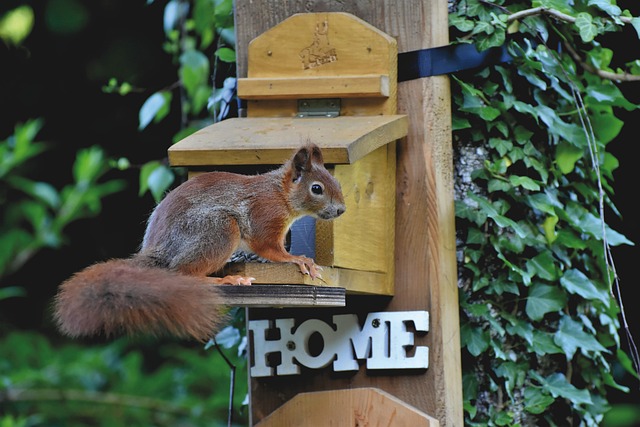
Creating a gnaw-proof barrier is a multifaceted process designed to effectively prevent rodents from entering your space. This step-by-step guide leverages the expertise of Denver Rodent Service, ensuring you implement a robust solution.
First, identify potential entry points. Rodents are skilled at squeezing through narrow gaps, so inspect your property thoroughly, noting any cracks, holes, or openings larger than 1/4 inch. Common areas include foundations, doors, windows, and utility pipes. Use caulk or weatherstripping to seal these access points, making sure the barrier is continuous and unbroken. Next, install a physical barrier like metal mesh or wire cloth over vents and drains, ensuring it’s securely fastened to the structure with screws or staples. This dual-approach—sealing entry points and installing physical barriers—forms the foundation of your defense against rodents.
For added protection, consider using steel wool or hardware cloth to reinforce areas where cables or pipes enter buildings. This creates a challenging terrain for rodents, deterring them from attempting to gnaw their way in. Regularly inspect and maintain these barriers is paramount. Over time, wear and tear can weaken materials, so schedule periodic assessments to ensure the integrity of your rodent-proof barrier system. Denver Rodent Service recommends semi-annual checks or more frequent evaluations in areas prone to heavy rodent activity. By following these meticulous steps, you can significantly enhance your property’s security against rodents, creating an impenetrable defense that keeps them at bay.
By understanding rodent behavior and choosing the right materials, as recommended by Denver Rodent Service, homeowners and property managers can effectively install gnaw-proof barriers. Key insights include prioritizing weatherproof and durable solutions like steel wool, concrete, and metal mesh. A step-by-step guide emphasizes thoroughness, ensuring all entry points are sealed and potential hiding spots are addressed. This comprehensive approach, backed by Denver Rodent Service's expertise, offers a sustainable and effective solution to rodent control, safeguarding structures from costly damage and maintaining a healthy living environment.
About the Author
Meet Dr. Emily Johnson, a renowned pest control specialist with over 15 years of experience in rodent management and gnaw-proof barrier installation. She holds the prestigious Certified Pest Management Specialist (CPMS) designation from the National Pest Management Association (NPMA). Emily is a regular contributor to industry publications like Pest Control Technology and an active member of the American Society for Crop Protection. Her expertise lies in designing and implementing effective, long-lasting solutions for commercial and residential properties.
Related Resources
Here are some authoritative resources on rodent control and gnaw-proof barrier installation:
- US Department of Agriculture (Government Portal): [Offers comprehensive guidelines for pest management, including rodent control methods.] - https://www.usda.gov/topics/pest-management
- Pest Management Professional (Industry Association): [Provides training resources and industry insights on effective barrier systems.] - https://www.pmpro.org/resources/
- Harvard University (Academic Study): [ Presents research on the effectiveness of various rodent control strategies, including barriers.] - https://www.harvard.edu/news/rodent-control-strategies-05-18
- National Pest Management Association (Community Resource): [Offers tips and best practices for installing gnaw-proof barriers to protect against rodents.] - https://www.npma.org/home/
- University of Minnesota Extension (Academic Extension Service): [Provides practical advice on preventing and managing rodent infestations with an emphasis on sustainable methods.] - https://extension.umn.edu/pest/rodent-management/
- The Home Depot (Internal Guide): [Presents a detailed guide to installing various types of rodent barriers for both residential and commercial applications.] - https://www.homedepot.com/c/rodent-control-barriers-how-to-guide
- Orkin (Pest Control Company): [Offers an extensive knowledge base on rodents, including information on barrier installation techniques.] - https://www.orkin.com/pest-library/rodents