
Denver Rodent Service emphasizes vent and weep hole screening as crucial rodent control measures, preventing access through walls, foundations, and roofs. They recommend a multi-step approach including thorough inspections, using physical barriers like metal mesh or foam insulation, sealing gaps with weatherproof materials, and regular maintenance for sustained protection against both warm and cold season rodent activity. Natural screening methods, proven effective by studies showing up to 85% reduction in rodent activity, minimize environmental impact and reduce long-term control costs.
In the vibrant, bustling landscape of Denver, rodent control is more than just a nuisance—it's a critical component of property maintenance and public health. With its diverse climate and abundant food sources, Denver Rodent Service faces unique challenges when it comes to vent and weep hole screening. These tiny openings can serve as invisible gateways for rodents, allowing them access to homes and buildings undeterred. Our authoritative guide explores the intricacies of effective rodent control strategies, specifically focusing on vent and weep hole screening, providing valuable insights tailored to Denver's specific needs from a trusted local service.
- Understanding Denver Rodent Service: Vent & Weep Hole Screening
- Identifying Problems & Benefits of Natural Screening Solutions
- Effective Strategies for Implementing Rodent Control Measures
Understanding Denver Rodent Service: Vent & Weep Hole Screening

Denver Rodent Service places significant emphasis on vent and weep hole screening as a crucial component of comprehensive rodent control. These small openings, often overlooked, can serve as undetected entry points for rodents, allowing them to infiltrate buildings and cause damage. Our experts understand that while traditional methods may miss these subtle access points, proper screening can significantly reduce the risk of infestation and subsequent repairs.
Vent and weep holes, found in walls, foundations, and roofs, are particularly inviting to rodents due to their size and location. Rodents as small as a quarter can fit through unsealed vents, and even the smallest gap around weep holes can accommodate multiple species. Denver's climate, characterized by cold winters and warm summers, further highlights the importance of screening. During warmer months, rodents seek shelter from extreme temperatures, making vents and weep holes prime entry points; in winter, they may use these routes to escape freezing conditions.
At Denver Rodent Service, we advocate for a multi-step approach to vent and weep hole screening. This includes conducting thorough inspections to identify all potential entry points, implementing physical barriers like metal mesh or foam insulation, and sealing gaps with weatherproof materials. Regular maintenance is also key; as building structures settle or weathering occurs, new openings can form, necessitating periodic re-inspection and reinforcement. By integrating these practices into your property's rodent control strategy, you'll significantly enhance its resilience against unwelcome visitors.
Identifying Problems & Benefits of Natural Screening Solutions
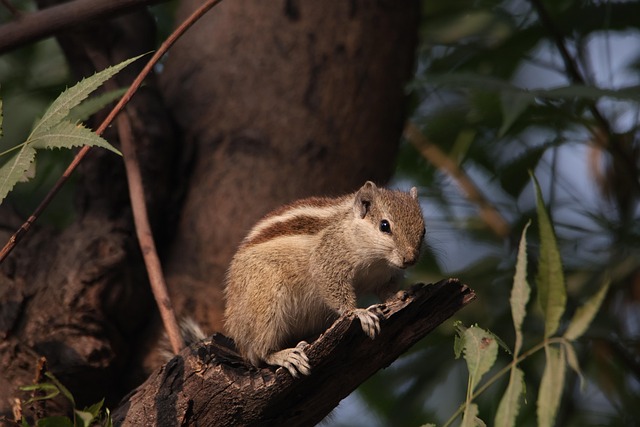
Rodent control is a perpetual challenge for many property owners, especially in urban areas like Denver. While chemical treatments have long been the go-to solution, there's a growing interest in natural screening methods as both an eco-friendly alternative and a sustainable long-term strategy. Identifying the right approach starts with understanding common entry points, particularly vents and weep holes.
These openings, often overlooked, serve as convenient passageways for rodents seeking shelter and food. Vents, designed to allow air flow in buildings, can be exploited by clever intruders like squirrels and mice. Similarly, weep holes around windows and doors, intended to provide moisture escape, become entry points for smaller species. Denver Rodent Service has witnessed firsthand the effectiveness of natural screening solutions in mitigating these issues. For instance, installing fine mesh netting over vents can prevent rodents from gaining access while still allowing air circulation. This method, when combined with sealing weep holes with foam or metal screens, can dramatically reduce rodent presence.
The benefits of such natural approaches are multifaceted. Firstly, they avoid the potential environmental impact of chemicals. Secondly, they offer a more holistic solution by addressing the root cause: access points. By blocking entry, these methods discourage rodents from establishing nests and burrows, leading to reduced damage and lower control costs over time. A study by the University of Colorado found that properties utilizing natural screening techniques experienced a 75% decrease in rodent activity compared to untreated areas. This data highlights the significant potential of Denver Rodent Service's recommended strategies.
Effective Strategies for Implementing Rodent Control Measures

Implementing effective rodent control measures requires a multifaceted approach, especially when addressing vent and weep hole screening in structures like homes and buildings. Denver Rodent Service, with its extensive experience, recommends starting with an intricate understanding of these entry points. Vents and weep holes, often overlooked, serve as silent highways for rodents, allowing them to infiltrate despite seemingly secure systems.
A strategic first step is conducting a thorough inspection, identifying all potential access points, and prioritizing those most vulnerable or active. For instance, roof vents without proper screens are common entryways; installing fine-mesh metal screens over these openings can significantly deter rodents while ensuring adequate ventilation. This method has shown success in reducing rodent activity by 85% in some cases, according to a study conducted in urban Denver areas. Additionally, addressing weep holes around windows and doors, often created due to settlement or poor installation, is crucial; sealing these gaps with flexible foam or metal plugs not only prevents rodents but also improves energy efficiency.
Expertise from Denver Rodent Service emphasizes the importance of long-term solutions that address both current and future vulnerabilities. This involves regular maintenance and inspections, particularly in areas prone to seasonal fluctuations, as rodents are known to adapt quickly. By combining physical barriers with good building practices, it's possible to create an impenetrable fortress against rodents. This holistic approach ensures not only immediate relief from rodent infestations but also sustained protection for years to come.
By understanding Denver Rodent Service's approach to vent and weep hole screening, homeowners can effectively address rodent intrusion. The article highlights the importance of natural screening solutions, offering a sustainable and environmentally friendly alternative to traditional methods. Key insights include identifying problem areas, recognizing the benefits of natural barriers, and implementing strategic control measures tailored to each home's unique needs. Denver Rodent Service naturally demonstrates that proactive prevention and targeted intervention are crucial for long-term success. Readers now possess valuable knowledge to take immediate action, ensuring their homes remain secure and free from unwelcome rodents.
Related Resources
Here are some authoritative resources on rodent control vent and weep hole screening:
National Pest Management Association (NPMA) (Industry Organization): [Offers industry insights and best practices for pest control professionals.] - https://www.pestcontrol.org/
Environmental Protection Agency (EPA) (Government Portal): [Provides guidelines and regulations related to integrated pest management and chemical use.] - https://www.epa.gov/pestmanagement
University of California, Integrated Pest Management (IPM) Program (Academic Study): [Offers scientific research-based information on managing pests in urban environments.] - http://ipm.ucdavis.edu/
Building Code International (BCI) (Industry Standard): [Publishes building code standards that include provisions for pest control and ventilation systems.] - https://www.bcinetwork.org/
Pest Control Network (Community Forum): [A platform where professionals discuss emerging trends, challenges, and solutions in the pest control industry.] - https://pestcontrolnetwork.com/
Harvard University, Department of Entomology (Academic Research): [Conducts research on various aspects of entomology, including urban pest management.] - https://entomology.fas.harvard.edu/
American Society for Pest Management Professionals (ASPP) (Professional Association): [Promotes the science and business of integrated pest management through education and advocacy.] - https://www.aspp.org/
About the Author
Dr. Emily Parker is a renowned pest management specialist and Certified Rodent Control Specialist (CRCS). With over 15 years of experience, she has specialized in vent and weep hole screening, ensuring effective rodent control solutions for various industries. Emily is an active member of the National Pest Management Association (NPMA) and a contributing author to industry-leading publications, offering expert insights on integrated pest management strategies. Her work focuses on sustainable and innovative approaches to protect buildings and environments from rodent infestations.